
An English version is available at the end of the article.
網膜剥離の手術を終えた宮崎が、宗像市安ノ倉にある築150年の古民家でシェアハウス生活を開始。海外からの移住者支援を目的に始めたこの新生活について、城のような防御構造から夜の恐怖体験まで、赤裸々にレポートします。
こんにちは!網膜剝離の手術を終えて新しい景色(ゆがむ世界)に慣れつつある宮崎です。
本日は私のシェアハウス(正式名称は未定)生活のことを少し。
(まぁ、シェアハウスと言いながらも現在のところ入居者は私ひとり。すなわちただの「ハウス」なのだが)
まるで城?築150年の古民家との出会い
この家は宗像市東部、我らが正助ふるさと村や、いつもお世話になっているグローバルアリーナさんの近く、田園の広がる安ノ倉(あんのくら)という地区にある、150年の風雪を経た民家だ。
重心の低い、すっきりしたたたずまいの母屋があり、周囲に蔵、農機具小屋、牛舎、納屋などの農業家の付属建築物が配されている。
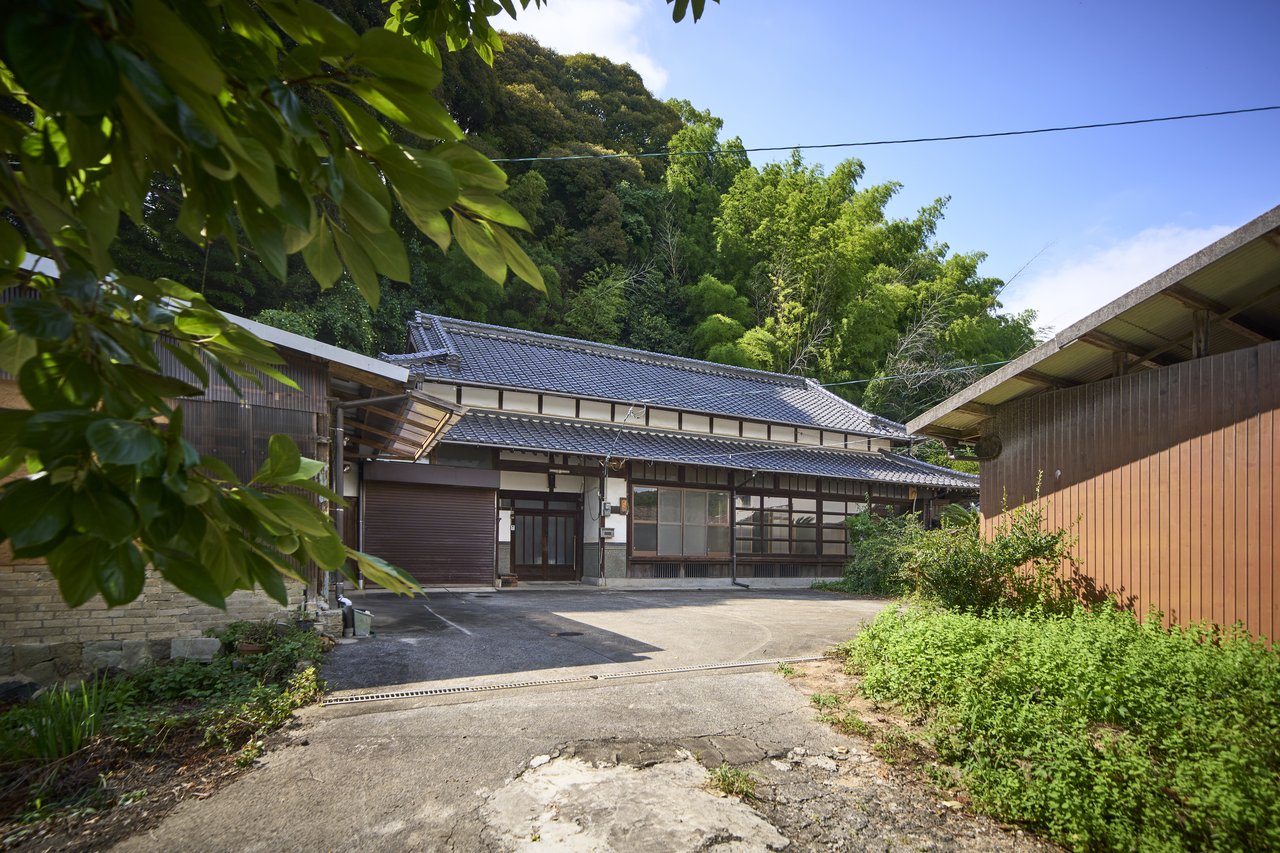
敷地は公衆用道路に直接面していないため、敷地内の引き込み道を通って建物群に入る配置になっており、かつ家の背後は山。
敷地外周を空堀にしてしまえば、侵入路はこの引き込み道に限定される。
かつ、引き込み道からは農機具小屋に視界をふさがれているため、その内側が良く見えず、城で言えばちょっと変形した「枡形」になっている。
さらに、この屋敷につくった4つのベッドルームのうちのひとつは出丸のように屋敷から突出しており、ここから枡形へ侵入してきた敵への側面攻撃が可能だ。
つまり、守備に非常に適した構造をしている。
問題は、いったい、誰が攻めてくるというのか、ということであり、そしてなぜこんな妄想的文章を書いたのか、ということだ。
さて。
シェアハウスを始めたきっかけ
そもそも私がシェアハウスをつくり、住み始めたきっかけの話をしよう。
実は私、日々、職場まで1時間強かけて通っていたのだが、年年歳歳、歳をとるほどにその移動が苦痛になってきた。
そこでわが社の幹部メンバーに「体力的な問題も解決するし、経費も安くなるから、どこか近くに家を借りてもいいかな?」と探りをいれてみたところ、いいですよ、との優しい満額回答。
Yes!やった!
「ただ、———」
「ただ?」え?何かあるの?
「ただ、普通のアパートに住むとかはないですよね?まさか?」
「あれだけ、人には「おもしろくなければやる意味がない」とか言っておきながら」
う。
「住む」といっても「寝る」だけのところぐらい、おもしろくなくたってよくない?
帰って風呂入って歯を磨いて、ちょん、と寝るだけの余白のない場所だよ?
と頭のなかはリトル宮崎の反論が百出。
だが、口からは「当たり前でしょ」という言葉が条件反射的に出てしまった。
「ですよね」とニヤニヤするわが社の幹部メンバー。
オーケー。じゃ、シェアハウスつくって、そこに住む———
と、「2024シェアハウス宣言」してから一年半。
ついに悲願のシェアハウス(今のところ、全くシェアしていないが)が始まったのである。
海外からの移住者を支援したい
シェアハウスという形態を選んだのは、海外出身の宗像在住のみなさんとのお付き合いのなかで、なかなか日本の生活に溶け込めない海外の方が宗像市(日本)での生活を諦めてしまう、という話を何度か聞いていたのがきっかけだった。
海外からの移住希望の方が日本(宗像)の文化、慣習を学んでいくための場所として機能すればいいな、それを自分自身の空いた時間(夜や朝の在宅時間)でできたらなおよいな、という思いつきだ。
また、私自身も海外で生活したときに、シェアハウス(フラット)で同国の人たちによくしてもらったので、そのギフトを返しておきたい、という気持ちそこに少し加わっている。
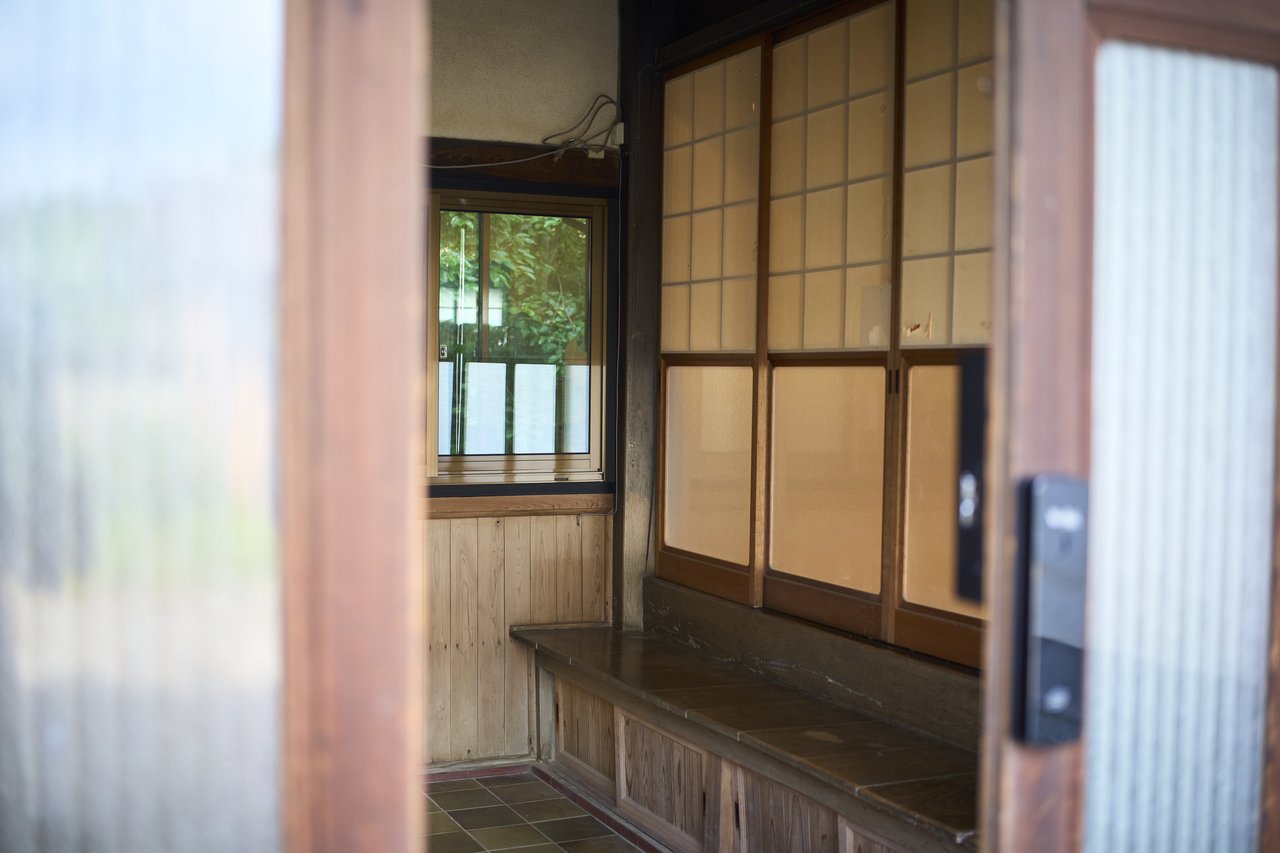
偶然が導いた古民家との出会い
シェアハウスをつくると決めてから、この民家に出会った物語も偶然のたまものだった。
Mu-Moの店長をしている長谷川さん(か田尻さん)と地元の信用金庫の店長さんのところに行ったときに、とある方とバッタリ出会ったことがきっかけだった。
ここで子細を詳らかにできないが、奇縁であったのは確かだ。
安ノ倉の民家をシェアハウスにする、と決めてからは得意の電撃戦で4つのベッドルーム(個室)をつくって共用部を整備、最低限の家具を準備して生活を開始できるようにした。
(弘江組さま、ありがとうございました。)
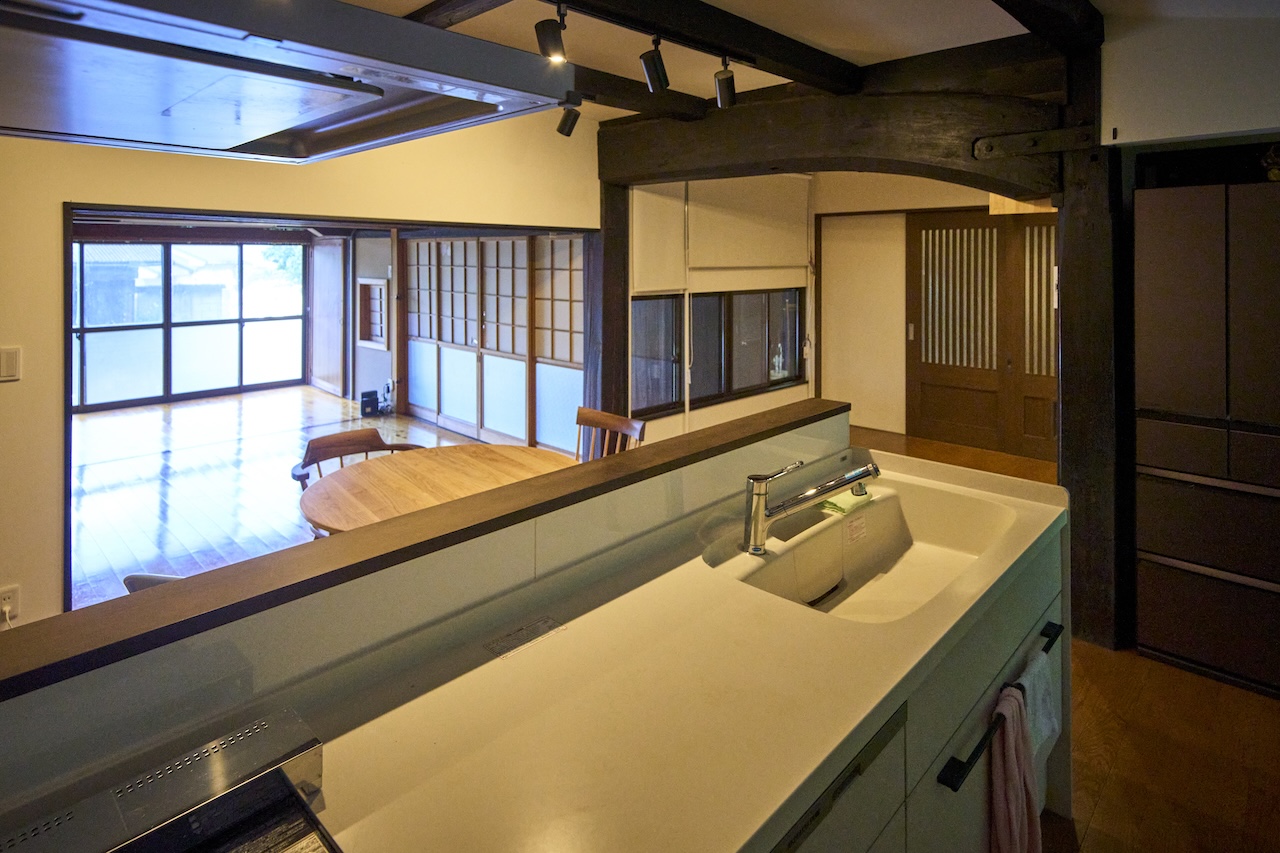
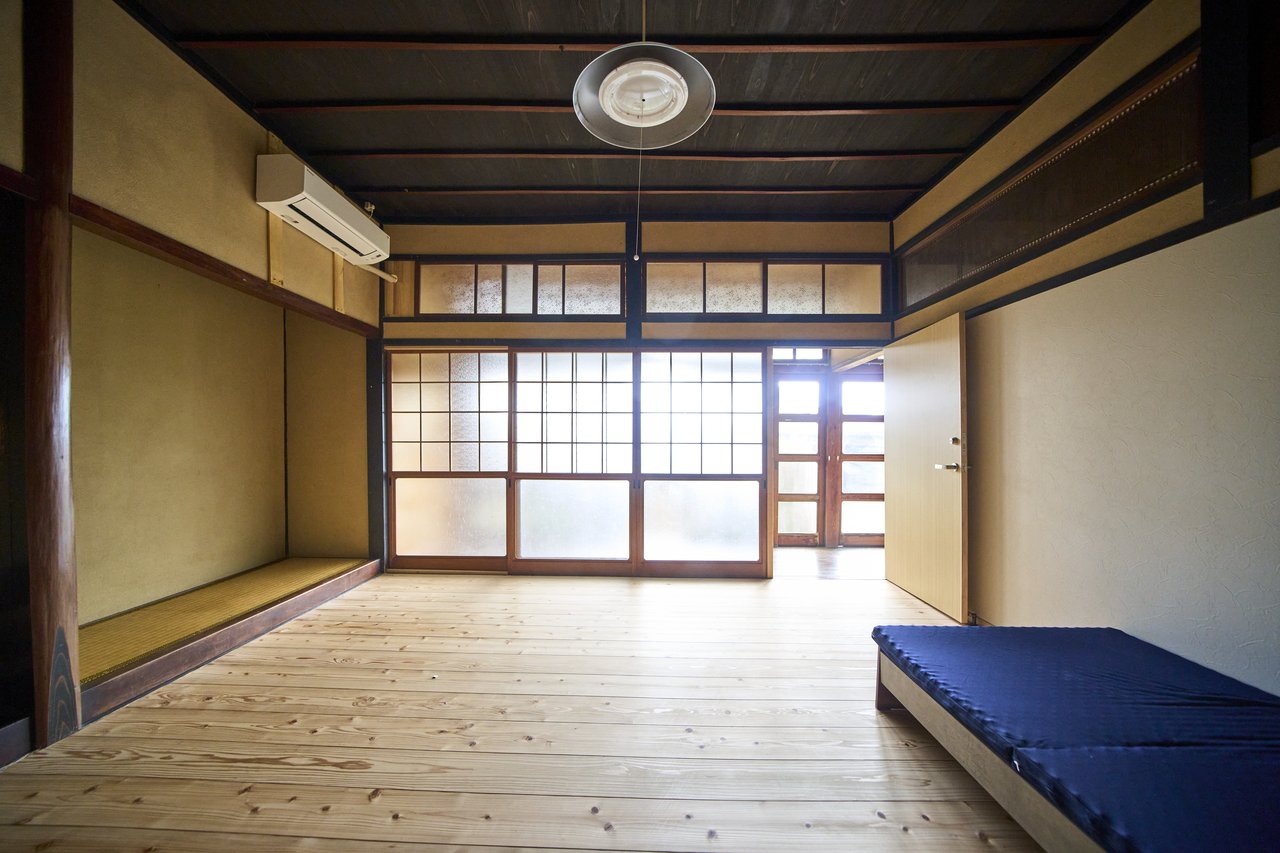
ただ、このタイミングで私がまさかの網膜剥離となり(これについてはまた今度報告したい)、入居は一週間ほど遅れたものの、いまは心地よく生活させていただいている。
シェアハウス初のゲストは韓国からの訪問団
まだ入居者は私ひとりだが、先週は宗像市の姉妹都市の金海市のズノウ日本語学校の先生と生徒、総勢13名をここに迎え入れた。
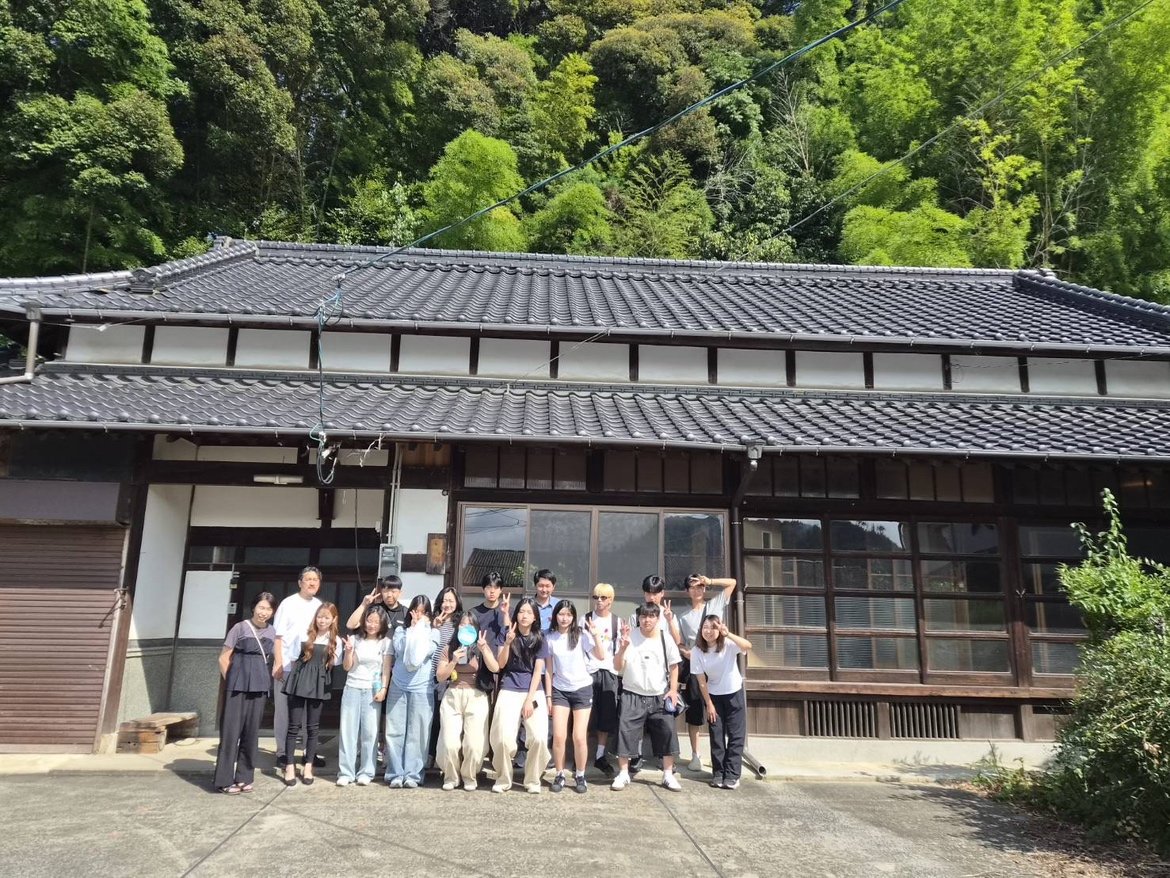
ズノウ日本語学校の先生と生徒のみなさんには、毎年、有志のメンバーで金海市の伽耶文化祭に宗像ブースを出店させていただいているが、いつもこのみなさんに「おんぶにだっこ」でお手伝いいただいている。
我々のようないい加減なチームでもイベントが成立しているのは、彼らの力によるところが大、というか全部である。
そんなみなさんが宗像市の学生との交流でいらっしゃると聞いたので、一も二もなくこの家をお貸しすることにした(もちらん無償で)。
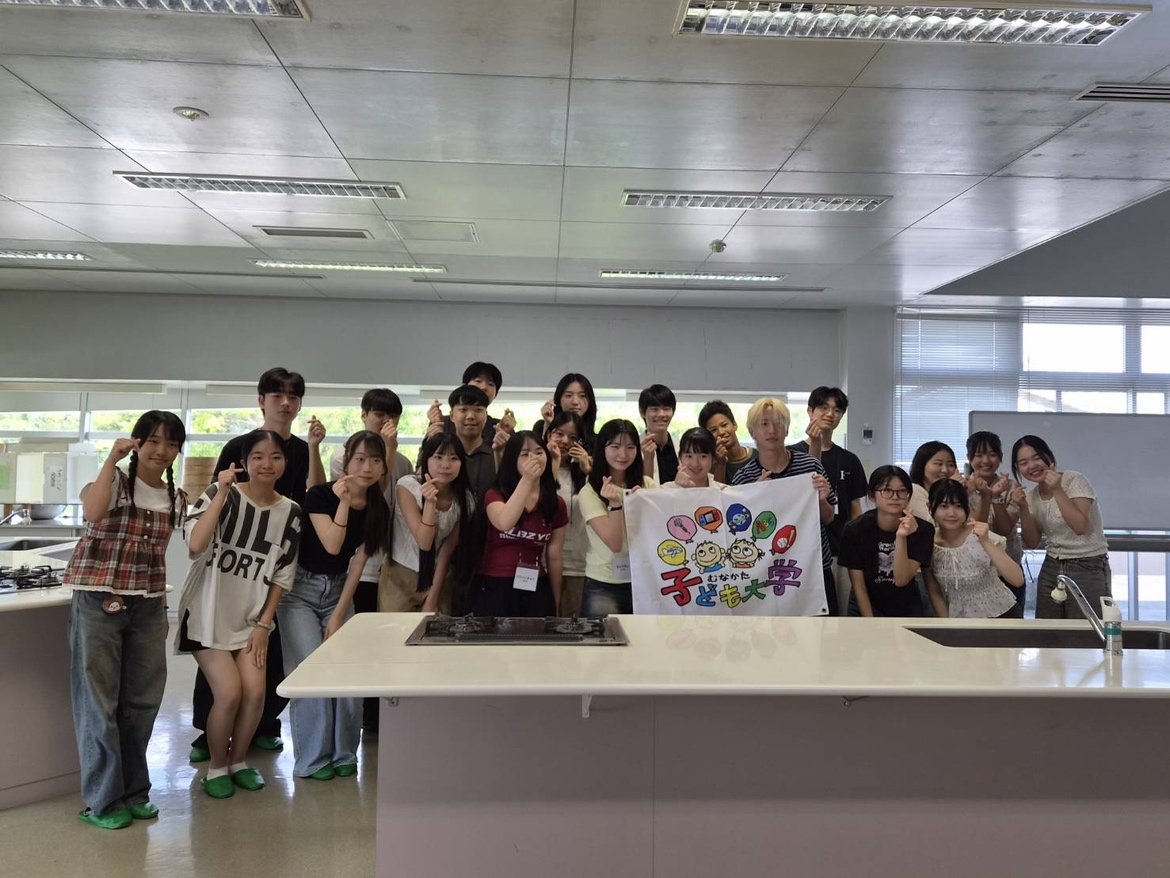
日ごろひとりしかいない家に見慣れていたせいで、13人も入ると目が疲れる騒々しさだったが、この家の最初のゲストにふさわしい方々であった。
古民家生活で気づいたこと
さて、外敵からの守備に適したこの民家に住んでみて気づいたことをいくつか。
自然の豊かさに触れる毎日
まず、自然豊かであるということ。
早朝の清澄な空気が美味しさ(本当に味があるのだ)、そして、たそがれ時の山の稜線と、その下にひかえる田んぼの美しさ、これらはこの家で経験したことのなかで最高のものだった。
また、自分ひとりしかいないはずなのに、どうも見られているような気がしてリビングをウロウロしてみると、壁に足をかけて威嚇するカマキリと出くわしたこともある。
(網膜剥離からまだ日が浅く、視力が弱いので食べてしまいそうなぐらい近づいてやっとわかった)
これも自然のなかに共存することの豊かさゆえである。
日本家屋ならではの涼しさ
次に、涼しさ。
アスファルトが少なく、家と家の距離が開いていることもあるが、軒の出の深い日本家屋のため、家の中も外もなんとなく涼しい。
南北に隙間風が抜ける、夏を旨とした開放的なつくりのせいもあるかもしれない。
尋常ではない夜の闇と静けさ
そして、尋常ではない夜の闇と静けさ。
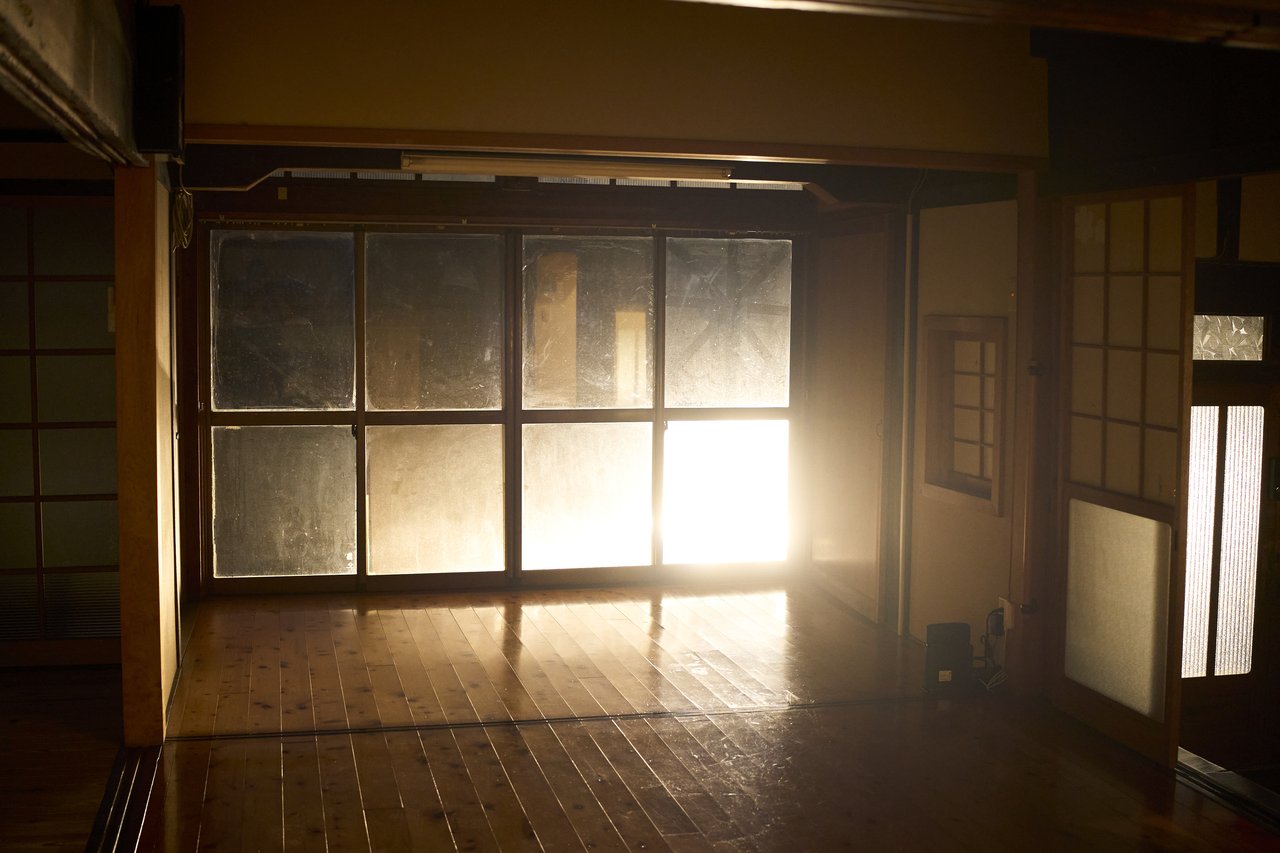
完全完成の前に住み始めたため、リビングには家具も揃っておらず、カーテン・ブラインドの類も設置していない。
そのため、夜リビングでひとり食事をしていると、視界の向こうは漆黒の闇が広がっている。
おそらく建物の外に立つと、家のなかは丸見えで、私のリアリティショーが絶賛見放題のはずだ。
ある夜、このようなことがあった。
夜、リビングで食事をしていると、ものすごい光の束が窓から飛び込んできた。
見ると光源は二つ。どうやら車のようだ。
しかし、既にこの家の配置を説明したとおり、この家に車が来るときは、この家に来るための引き込みを入ってこなければならず、すなわち、なんらかの目的がない限りここに車が侵入してくることはないのだ。
そして、来客の予定などあろうはずもない。
すわ、トクリュウか、押し込みか、と反射的に立ち上がる。全身に走る恐怖のなか、とりあえず表から見えないリビング内の死角に移動。
車が停まる。車のドアが開き、強く閉じる金属音が響く。
勘弁してくれよ———
ドス、っと何か重たいものが落ちるような音、そしてそれに続く車のドアが開き、閉じる冷たい響き。
そしてエンジン音は遠ざかっていった。
2分ぐらい待って、いったい何だったのかとおそるおそる玄関へ。
そこで見たものは、なんと・・・
・・・Amazonの荷物。
Amazonの置き配で寿命をけずるとは。
静けさがもたらす不思議な感覚
そして、静かなのもなかなかの恐怖を感じさせるときがあり、そもそも独り言の多いタイプだが、何の意味もなく声をだしたりすることがある。
ひとりで、夜中に「おーい!」なんて言ってみたりして。
声をだしてみると、この行為、どうも自分の存在を確認して、位置関係を把握したいから言っているような気がしてきた。
もしかすると、動物の遠吠えなんていうのも、実際こんな感覚(自分の位置という存在の確認作業)なのかも、と考えてしまった。
もちろん「おーい!」に「なーにー」なんて返事が帰ってきたら、簡単に気絶してしまうが。
シェアハウスに興味がある方へ
気づけばだらだらとシェアハウス(名称未定)の生活について書いてきたが、興味がある人はぜひご連絡ください。
ただ、アポなしで夜に来るのはやめてください。
An English version
Fresh off surgery for a detached retina, Miyazaki has started share-house life in a 150-year-old traditional farmhouse in Annokura, Munakata City. Launched to support people relocating from overseas, this new chapter comes with everything from a castle-like defensive layout to a genuinely scary night—reported here, warts and all.
Hello! I’m Miyazaki, still getting used to my new view of the world (a slightly warped one) after surgery for a detached retina.
Today I’d like to share a little about life at my share house (its official name is still undecided).
(Well—I call it a share house, but for now the sole resident is me. Which makes it, strictly speaking, just a “house.”)
Practically a Castle? Meeting a 150-Year-Old Farmhouse
The house sits in the eastern part of Munakata City, in a district called Annokura—open farmland near our beloved Shosuke Furusato Mura and the ever-helpful folks at Global Arena. It’s a home that has weathered 150 years of wind and snow.
There’s a main house with a low center of gravity and a clean, understated presence, surrounded by the outbuildings of a farming family: a storehouse, a tool shed, a cattle shed, a barn, and more.
Because the property doesn’t face a public road directly, you reach the cluster of buildings via a private approach lane running through the grounds—and the house backs onto a mountain.
Turn the perimeter of the property into a dry moat, and the only way in would be limited to that single approach lane.
What’s more, the tool shed blocks your view from the approach lane, so you can’t see clearly inside—in castle terms, it forms a slightly irregular “masugata” (a boxed, dogleg entrance designed to trap intruders).
On top of that, one of the four bedrooms I built juts out from the house like a demaru (a projecting bastion), which would allow flanking attacks on any enemy who breached the masugata.
In other words, the structure is exceptionally well suited to defense.
The only question is: who exactly is supposed to be attacking? And why on earth have I written this paranoid little fantasy?
Anyway.
What Made Me Start a Share House
Let me back up and explain what led me to build a share house and move in.
The truth is, my daily commute to work took a little over an hour—and year after year, as I got older, that trip became more and more of a grind.
So I floated the idea to our company’s leadership: “It would solve my stamina problem and cut costs too—would it be okay to rent a place somewhere nearby?” The kind reply came back: sure, go ahead. Full approval.
Yes! Nailed it!
“Just—one thing.”
“One thing?” Huh? Is there a catch?
“You’re not going to just live in a regular apartment, are you? Surely not?”
“Not after all the times you’ve told people ‘if it isn’t interesting, there’s no point in doing it.'”
Ugh.
But when you say “live” somewhere that’s really just a place to “sleep”—does it really have to be interesting?
It’s a place with zero slack, where you come home, take a bath, brush your teeth, and—plop—just sleep, you know?
Inside my head, Little Miyazaki was firing off a hundred rebuttals.
And yet, reflexively, what came out of my mouth was: “Obviously not.”
“Right?” said our leadership, smirking.
Okay. Fine. I’ll build a share house and live in it—
And so, a year and a half after my “2024 Share House Declaration”…
my long-cherished share house (which, for now, isn’t being shared with anyone at all) has finally begun.
I Want to Support People Moving Here from Overseas
What drew me to the share-house format was something I’d heard more than once through my friendships with Munakata residents from overseas: that people from abroad who struggle to settle into life in Japan sometimes give up on living in Munakata (and Japan) altogether.
My thought was simple—I’d love for this to become a place where people hoping to move to Japan (Munakata) can learn its culture and customs. And if I could make that happen in my own spare time (the hours I’m home in the evenings and mornings), all the better.
There’s also a small personal motive: when I lived abroad myself, the people from my own country at my share house (flat) took wonderful care of me. I’d like to pass that gift forward.
A Chance Encounter That Led Me to This Farmhouse
Even the story of how I found this house—after I’d decided to build a share house—was pure serendipity.
It all started when Hasegawa (or was it Tajiri?), who manages Mu-Mo, and I paid a visit to the manager of the local credit union, and happened to bump into a certain person there.
I can’t go into the details here, but it was, without a doubt, a remarkable twist of fate.
Once I’d decided to turn the Annokura house into a share house, I deployed my signature blitzkrieg: building four bedrooms (private rooms), fitting out the shared areas, and preparing the bare-minimum furniture so I could start living there.
(Hiroe-gumi, thank you so much.)
That said, right around this time I unexpectedly suffered a detached retina (I’ll report on that another day). My move-in was delayed by about a week, but I’m now settling in very comfortably.
The Share House’s First Guests: A Delegation from Korea
I’m still the only resident, but last week I welcomed 13 people here—teachers and students from the Zunou Japanese Language School in Gimhae City, Munakata’s sister city.
Every year, a group of us volunteers sets up a Munakata booth at the Gaya Cultural Festival in Gimhae City—and the teachers and students of the Zunou Japanese Language School carry us every step of the way.
The reason a slapdash team like ours can even pull off an event is thanks largely to their efforts—or rather, entirely to them.
So when I heard they’d be coming to exchange with Munakata’s students, I didn’t hesitate for a second to lend them this house (free of charge, of course).
Having grown so used to a house with just one person in it, the racket of 13 people was almost enough to tire out my eyes—but they were exactly the right guests for this home’s debut.
Things I’ve Noticed Living in a Traditional Farmhouse
Now, a few things I’ve noticed since moving into this house that’s so well suited to fending off invaders.
Days in Touch with the Richness of Nature
First, just how rich the nature is.
The clear, crisp air of early morning is delicious (it genuinely has a flavor), and the ridgeline of the mountains at dusk, with the rice fields spread out beneath it—these have been the finest things I’ve experienced in this house.
And though I’m supposedly the only one here, I sometimes feel like I’m being watched. Wandering around the living room to check, I once came face to face with a praying mantis, one leg braced against the wall, striking a threatening pose.
(It’s not long since my retinal detachment and my eyesight is still weak, so I only realized it was there after leaning in close enough to practically eat it.)
This, too, is one of the riches of coexisting with nature.
The Coolness Unique to a Japanese House
Next, the coolness.
Partly it’s the lack of asphalt and the wide gaps between houses, but this is also a Japanese house with deep eaves, so both inside and out it feels somehow cool.
It may also be down to the open, summer-first design, which lets drafts flow through from north to south.
An Uncanny Darkness and Silence at Night
And then, the extraordinary darkness and silence of the night.
Because I moved in before everything was fully finished, the living room isn’t furnished, and I haven’t installed curtains or blinds of any kind.
So when I’m eating dinner alone in the living room at night, beyond my field of view stretches nothing but pitch-black darkness.
Stand outside the building and you can probably see straight into the house—my very own reality show, available for uninterrupted viewing.
One night, this happened.
I was eating dinner in the living room when an enormous beam of light came bursting through the window.
Two light sources, I realized. Apparently a car.
But as I’ve already explained about the layout, for a car to reach this house it has to come up the private approach lane—which means, unless it has some specific purpose, no car ends up here by chance.
And there was, of course, no visitor on the schedule.
An organized crime crew? A home invasion? I shot to my feet on reflex. Fear coursing through my whole body, I moved for now into a blind spot in the living room, out of sight from the front.
The car stops. A door opens, then slams shut with a sharp metallic clang.
Give me a break—
A heavy thud, like something weighty being dropped, followed by the cold sound of a car door opening and closing.
And then the engine noise faded into the distance.
I waited about two minutes, then crept fearfully to the entrance, wondering what on earth that had been.
And what I found there was, of all things…
…an Amazon package.
To think an Amazon delivery drop-off could shave years off my life.
The Strange Sensation That the Silence Brings
The quiet, too, can be quite frightening at times. I’m the type who talks to himself a lot to begin with, but sometimes I’ll just make a sound for no reason at all.
Like calling out “Helloooo!” all alone in the middle of the night.
Trying it out, I started to suspect this act is really about confirming my own existence—about getting a fix on where I am in relation to everything.
It made me wonder whether an animal’s howl might actually be this very same sensation (the work of confirming one’s own existence by locating oneself).
Though of course, if my “Helloooo!” were answered with a “Whaaat?”, I’d faint on the spot.
For Anyone Interested in the Share House
Before I knew it, I’d rambled on about life at the share house (name still undecided)—but if you’re interested, please do get in touch.
Just—please don’t show up at night without an appointment.


